Soft Tissue Laser
Temecula, CA
 Any parent who has sat in a dental waiting room with a nervous child knows how much a single treatment experience can shape that child's overall comfort with visiting the dentist in the future. At Picasso Dental Care, soft tissue lasers have become an important part of how certain pediatric procedures are handled, largely because they tend to be faster, quieter, and gentler than traditional instruments. For parents unfamiliar with the technology, understanding how it works, where it fits into pediatric dentistry, and what recovery actually looks like can make an upcoming appointment feel far less intimidating. Any parent who has sat in a dental waiting room with a nervous child knows how much a single treatment experience can shape that child's overall comfort with visiting the dentist in the future. At Picasso Dental Care, soft tissue lasers have become an important part of how certain pediatric procedures are handled, largely because they tend to be faster, quieter, and gentler than traditional instruments. For parents unfamiliar with the technology, understanding how it works, where it fits into pediatric dentistry, and what recovery actually looks like can make an upcoming appointment feel far less intimidating.
What Is A Soft Tissue Laser?
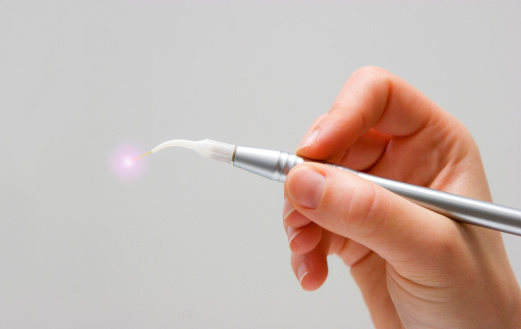
A soft tissue laser uses a concentrated beam of light energy to interact with gum tissue and other soft structures inside the mouth. The wavelength is calibrated so it is absorbed efficiently by tissue containing water and blood, which means it can precisely target gums, tongue tissue, and the small folds of tissue known as frenula, while leaving surrounding areas mostly undisturbed. Instead of a blade making a physical cut, the laser's energy removes or reshapes tissue at a microscopic level, sealing tiny blood vessels and nerve endings as it goes. That sealing effect is part of why these procedures tend to involve less bleeding and less post-treatment discomfort, two factors that matter a great deal when the patient is a child.
Where Soft Tissue Lasers Are Used In Pediatric Care
Several common pediatric issues can be addressed with a soft tissue laser, often in a single short visit.
| • |
Tongue-tie and lip-tie release, where a tight or short frenum restricts normal movement of the tongue or lip and can affect feeding, speech, or orthodontic development
|
| • |
Removal of small oral lesions or irritation bumps that sometimes appear from minor trauma, such as accidentally biting the cheek or lip |
| • |
Treatment of canker sores, which can be especially uncomfortable for younger children who have trouble avoiding the area while eating |
| • |
Exposing a tooth that is slow to erupt through the gum tissue, which can help guide it into proper position
|
| • |
Managing localized gum irritation around orthodontic appliances in older children and teens
|
| • |
Treating minor injuries to the inner cheek or lip caused by falls or accidental bites during play |
Tongue-tie and lip-tie releases, sometimes called frenectomies, are among the most frequently discussed procedures. In infants, an overly tight frenum can interfere with breastfeeding or bottle feeding, sometimes making it difficult for a baby to latch properly or sustain a feeding session. In older children, a restrictive frenum can affect speech clarity, particularly with sounds that require the tongue to reach the roof of the mouth, or contribute to spacing issues between the front teeth.
A laser frenectomy is typically quick, often completed in a matter of minutes, and many children resume normal feeding or eating shortly afterward. Because the procedure is so brief, many families are able to schedule it without significant disruption to a child's daily routine, and follow-up visits are usually simple check-ins to confirm healing is on track.
Why This Approach Suits Younger Patients
Traditional frenectomy or soft tissue procedures performed with a scalpel usually require sutures and carry a longer healing period, during which a child may need to avoid certain foods or activities. Soft tissue lasers change that experience in several ways. Because the laser cauterizes as it cuts, there is typically less bleeding, which can be reassuring both for the child and for a parent watching the procedure. The reduced need for sutures also means fewer follow-up steps and less irritation while the tissue heals.
Recovery time is another meaningful difference. Many pediatric laser procedures allow a child to eat soft foods again within hours rather than days, and normal activity typically resumes quickly. For infants receiving a tongue-tie release, some parents report improved feeding almost immediately after the procedure, though every case is different and healing can vary.
Addressing The Question Parents Ask Most: Does It Hurt?
It is natural for a parent to worry about whether a laser procedure will be painful for their child. In many pediatric cases, especially infant frenectomies, the procedure can be performed with little to no anesthesia, since the treatment area is small and the laser's effect on surrounding nerve endings tends to limit discomfort during the process itself. For older children undergoing more involved treatment, such as removing a larger lesion, a topical numbing gel is often sufficient, and injections are less commonly needed than they would be with traditional surgical tools.
After the procedure, most children experience only mild tenderness rather than significant pain, and this typically resolves within a day or two. Parents are usually given simple guidance on soft foods and gentle oral care during the short healing window, along with specific stretches or exercises in tongue-tie cases to help prevent the tissue from reattaching as it heals. Compared to what many assume a "surgical" procedure might involve, laser treatment is generally a much easier experience for both the child and the parent supporting them through it. Many families are also relieved to learn that the appointment itself is typically short, which can make it easier to manage a young child's patience and attention during the visit.
Supporting A Positive Start With Dental Care
Early dental experiences can shape how comfortable a child feels about visiting the dentist throughout their life. Choosing a treatment approach that minimizes discomfort, shortens recovery, and reduces anxiety supports not just the immediate procedure but the child's long-term relationship with oral health care. At Picasso Dental Care, our team takes extra care to explain each step in age-appropriate terms use tools like soft tissue lasers whenever they offer a gentler path to treatment.
If your child has a tongue-tie, lip-tie, or another soft tissue concern that may benefit from laser treatment, our team is glad to talk through the options, discuss recovery expectations, and answer any questions you have before scheduling an appointment. Call (951) 383-2021 to speak with someone at Picasso Dental Care about what to expect and how we can help your child feel comfortable throughout the process.
|