IV Sedation vs. Oral Sedation: Choosing the Right Level of Comfort
Temecula, CA
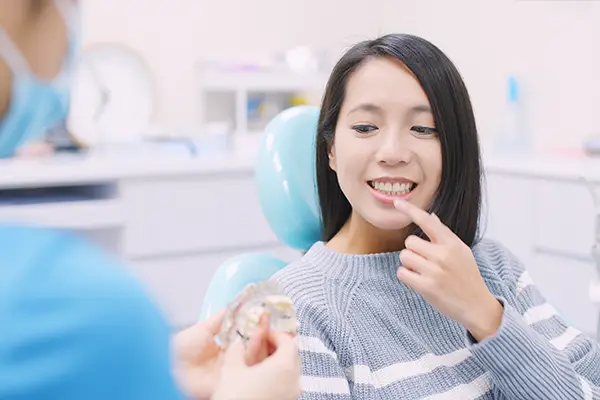 For many adults, the hardest part of dental care is not the treatment itself but the anxiety that comes before it. A racing heart in the waiting room, tension in the chair, or memories of an uncomfortable past visit can cause people to postpone care they truly need. At Picasso Dental Care, our dentists believe that every patient deserves a calm, gentle experience. That is why our practice offers both oral conscious sedation and IV sedation for adult patients, giving you options that match your comfort level and the treatment you are receiving.
What Is Sedation Dentistry?
Sedation dentistry uses medication to help you relax during dental treatment. This type of dental sedation reduces anxiety during dental procedures and is different from general anesthesia, which places a patient fully unconscious. With conscious sedation, you remain able to breathe on your own and respond to simple requests, and remain awake while feeling deeply relaxed and far less aware of the sights, sounds, and sensations of treatment.
Sedation is always paired with local anesthetic, which numbs the specific area being treated. The sedative addresses anxiety and awareness, while the local anesthetic addresses discomfort in the treatment area. Together, they create a much more peaceful experience.
How Oral Sedation Dentistry Works
Oral conscious sedation is a form of oral sedation dentistry that involves taking a prescribed sedative medication by mouth, typically in pill form, before your procedure. Depending on the medication and your treatment plan, you may take it about an hour before your appointment, and oral sedatives commonly include benzodiazepines such as Valium that affect the central nervous system. As it takes effect, you remain conscious and enter a relaxed state, often feeling drowsy, calm, and sometimes extremely relaxed.
Oral sedation is often a good fit for patients with moderate dental anxiety or severe dental anxiety, as well as those who want a more relaxed experience during dental work.
Benefits of oral sedation include:
| • |
No Needles for Sedation - The medication is swallowed, making it approachable for patients who feel uneasy about IV lines.
|
| • |
Easy to Take - Medication is taken before treatment, so you arrive already beginning to relax.
|
| • |
Effective for Moderate Anxiety - It takes the edge off nervousness for routine and restorative care. |
Because the medication is absorbed through the digestive system, the effect takes time to begin and the depth of sedation cannot be adjusted quickly during treatment. Some patients also feel lingering drowsiness for several hours afterward.
How IV Sedation Works
IV sedation delivers sedative medication directly into the bloodstream through a small line, usually placed in the arm or hand. The sedative drugs are administered directly into a vein, so they typically begin working within minutes. The level of sedation can also be fine-tuned throughout the procedure for precise control based on patient response.
IV sedation typically produces a deeper state of relaxation than oral sedation. Unlike general anesthesia, patients remain conscious even if they feel very sleepy. Depending on the patient and procedure, the depth may range from minimal sedation to moderate sedation or deep sedation. Many patients drift into a sleep-like state, and patients report little or no memory of the appointment.
Benefits of IV sedation include:
| • |
Rapid Onset - Relaxation begins almost immediately once the medication is administered.
|
| • |
Adjustable Depth - Sedation levels can be precisely adjusted during treatment.
|
| • |
Deeper Relaxation - Ideal for patients with significant dental fear or a strong gag reflex.
|
| • |
Well-Suited for Longer Visits - Complex procedures can often be completed in fewer, more comfortable appointments. |
IV sedation is often recommended for longer or more involved treatments, such as dental implant placement, wisdom teeth removal, multiple extractions, or full mouth reconstruction. Because it can affect breathing and cardiovascular function, the dentist also monitors for side effects such as drowsiness and nausea.
Comparing Oral and IV Sedation Side by Side
Both options are designed to help you feel relaxed and cared for, but the right sedation method depends on the procedure, your anxiety level, medical history, and other patient factors:
| • |
Method of Delivery - Oral sedation is taken by mouth, while IV sedation is delivered through a small line into a vein.
|
| • |
Speed - Oral sedation takes time to take effect, while IV sedation works within moments.
|
| • |
Control - IV sedation can be adjusted during treatment, while oral sedation is set by the dose taken beforehand.
|
| • |
Depth - Oral sedation typically produces mild to moderate relaxation, while IV sedation can provide a deeper level of calm; among other sedation methods, nitrous oxide sedation is the mildest form, using laughing gas, a colorless gas mixed with oxygen, for light relaxation.
|
| • |
Best Uses - Oral sedation often suits routine and restorative dental procedures, while IV sedation is often preferred for surgical or longer procedures such as root canals and dental implants, helping patients tolerate lengthy care and reducing discomfort during treatment. |
Which Option Is Right for You?
The best choice depends on several factors, including your level of anxiety, your medical history, the type and length of your procedure, and your personal preferences. During your consultation, your dentist will review your health history, overall health, allergies, and current medications, including possible medication interactions, and listen carefully to your concerns about dental care. A comprehensive evaluation is required before sedation, and conditions such as high blood pressure can affect whether IV sedation is appropriate because certain medical issues can raise the risk of complications. This careful review helps us minimize risk, and your dentist uses it to choose the safest type of sedation.
You may be a good candidate for oral sedation if you feel nervous about dental visits but can generally sit through treatment with some support and want a more pleasant, less stressful dental experience. IV sedation may be a better fit if you experience dental phobia or significant anxiety, have a strong gag reflex, have difficulty getting numb, or are planning a more complex surgical procedure.
Preparing for Your Sedation Appointment
Whichever option you choose, a little preparation helps your visit go smoothly. Our dental team will provide specific instructions based on your treatment plan, so follow your dentist's instructions carefully before and after sedation.
Common guidelines include:
| • |
Arrange a Ride - You will need a responsible adult to drive you to and from your appointment, and after oral sedation or IV sedation you may feel groggy and should not drive yourself.
|
| • |
Follow Eating Guidelines - You may be asked to avoid food and drink for a set period before IV sedation, and fasting is usually required.
Share Your Health History - Let us know about all medications, supplements, and health changes.
|
| • |
Plan to Rest - Set aside the remainder of the day to relax at home. |
After your appointment, it is normal to feel drowsy or a bit unsteady for several hours. Most patients recover from oral sedation within a few hours, but you may still feel disoriented for several hours before returning to normal activities. Avoid driving, operating machinery, or making important decisions until the effects have fully worn off, and follow your aftercare instructions for a quick recovery.
Safety and Gentle Care for Dental Anxiety at Every Step
Sedation dentistry is extremely safe when administered by trained professionals. Our practice is state-licensed to provide both oral conscious sedation and IV sedation for adult patients. We monitor your vital signs throughout treatment, including breathing, heart rate, blood pressure, and oxygen levels, to support your well-being and remain attentive to your comfort from the moment you arrive until you are ready to head home.
At Picasso Dental Care, we treat every patient as if they were part of our own family. Expect a calm environment, clear explanations, and a dental team that listens.
Relax Through Your Next Dental Visit in Temecula
Dental anxiety should never stand between you and a healthy, confident smile. If you have been putting off treatment because of fear or discomfort, our dentists are here to help you find a sedation option that fits your needs. We offer convenient weekday and Saturday appointments. Call Picasso Dental Care today at (951) 383-2021 to schedule a consultation and learn whether oral sedation or IV sedation is the right choice for you. |